Brew-tal Decisions: A Student's Guide to Caffeine

By Parul Taya

Edited by Joanna Yang

Caffeine – the most common drug found in the bloodstream of students. 

There is a very specific look university students get around midterms. The eyes become wide but unfocused. The leg starts bouncing at a medically concerning speed. Sentences are spoken at 1.5x times, matching the speed at which they’re watching their lectures. This, dear reader, is the over-caffeinated individual. Found primarily in libraries after 9 p.m., this species survives on iced coffees, energy drinks, and the unshakable belief that “one more [what?] and I’ll actually lock in.” 

From 9 a.m. tutorials that should be illegal, to 2 a.m. essay crises titled “FINAL_final_REAL_copy.docx,” this substance fuels the modern academic experience. As the world’s most widely consumed psychoactive substance, caffeine works by blocking adenosine, the brain chemical responsible for making us sleepy. In other words, caffeine doesn’t give you energy; it simply convinces your brain to ignore exhaustion. In reasonable doses, it improves alertness and focus. However, in heroic doses, it instead transforms you into a jittery philosopher questioning your major at 2:47 a.m. 

So which caffeinated beverage is the best fit for your all-nighter? Well, that depends on your degree and the things you need to get done; the answers may surprise you!

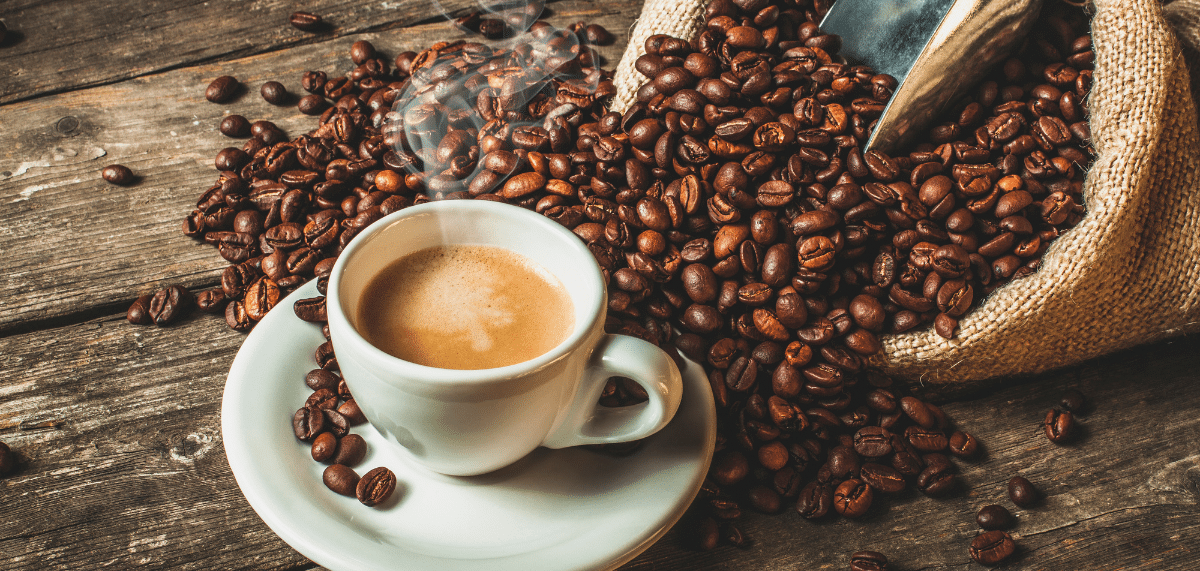
Nothing quite compares to my first cup of coffee. It tasted like dirt water and was absolutely disgusting. However, coffee is like the well‑worn notebook in every student’s backpack: familiar, dependable, and funny-smelling. After a few more cups, your taste buds will be trained to actually like it, and you will be ready to achieve your academic potential. Coffee is known to elevate alertness and improve reaction time. It’s got around 80-100mg of caffeine, so it's perfect for a strong hit. This beverage is ideal for long readings and writing essays.

Best for Humanities and Social Sciences students who aspire to channel their inner Aristotle, and for Business and Economics students, by keeping their brains sharp for spreadsheets and strategy. Also optimal for media students, fuelling late-night debates about representation, and whether the lighting was “intentional.” With oat milk, obviously.

Energy drinks are not beverages. They are a decision. 

They arrive in fluorescent cans with names that sound like they were engineered in a lab. Nitor. Ultra. Mango loco. They have a power where, somewhere between the first sip and the last, you begin to believe that maybe, just maybe, you understand that week seven lecture you haven’t opened yet. 

Most energy drinks contain between 150–200 mg of caffeine per can, sometimes more when you factor in ingredients like guarana, which is essentially caffeine wearing a different outfit. 

Energy drinks feel stronger than coffee for a few reasons. They’re cold, they’re carbonated, and they’re consumed quickly. The sugar-heavy versions can create a rapid spike in alertness, followed by an equally dramatic crash. The sugar-free versions are more stable, but the higher caffeine dose means it’s easy to overshoot and enter the jittery philosopher phase of the evening too early. Energy drinks are ideal for short, intense bursts of work, like problem sets, coding, and calculations, where sharp focus is needed immediately. 

Energy drinks are best for STEM majors who are spiritually powered by deadlines and delusion. When your work involves symbols that look like they escaped the Greek alphabet, a neon can of caffeine feels less like a choice and more like a prerequisite.

Tea is best for students who want to stay awake without feeling like their heart is about to take off. It’s the beverage equivalent of practicing self care. Unlike energy drinks, tea doesn’t slam into your bloodstream like a motivational speech. With around 40–60 mg of caffeine in black tea (and slightly less in green), the effect is gentler and steadier. The presence of L-theanine helps smooth out the stimulation, meaning you’re more likely to feel focused than frantic. Allowing you to stay alert, but not feral. 

If energy drinks and coffee are for academic combat, tea is for academic endurance. It won’t make you superhuman. It will, however, help you remain coherent at 2 a.m., which might be the real achievement.

Tea is best for health students and law students whose all-nighters involve memorising alarming amounts of information while still needing their brains to function like professional adults. The steady caffeine boost helps with memorisation and sustained focus, without the jittery chaos that makes you reread the same paragraph six times.

Matcha is essentially tea for people who don’t just want caffeine — they want an atmosphere. Yes, it has caffeine (around 60–80 mg per serving), and yes, it gives steady, calm focus, but it also requires whisking, a bowl, and arguably a belief that this all-nighter is part of your personal growth arc.

Matcha drinkers are tea drinkers who upgraded to ritual. While everyone else is shotgunning caffeine at 1:12 a.m., they’re gently frothing green powder and convincing themselves this is “intentional productivity.” It’s slightly performative. It’s slightly aesthetic. And it’s definitely slower.

That said, it’s actually excellent for sustained concentration. The smoother caffeine release makes it ideal for long, structured work that requires clarity rather than chaos.

Matcha is best for architecture and design students refining layouts at unreasonable hours, psychology students memorising theories without their heart rate spiking, and law students who want to stay sharp without feeling like they just drank liquid anxiety.

At the end of the day, not all caffeine is created equal, and neither are all all-nighters. 

The best drink depends on whether you’re aiming for chaos, clarity, or controlled survival. 

Energy drinks sit at the top if you need immediate intensity making you aggressively believe you can finish everything before sunrise. They are loud, effective, and slightly unhinged, which makes them perfect for STEM majors and anyone treating a deadline like a boss battle. 

Coffee is the reliable middle ground. It’s strong enough to wake you up but stable enough to let you function regularly. It doesn’t romanticise the all-nighter; it simply supports it. 

Tea ranks highest for sustainability. It won’t turn you into a productivity machine, but it will keep you coherent, calm, and functioning. 

Matcha sits somewhere between tea and performance art, excellent for long, structured work, but only if you have the time and personality to commit to the ritual.

As for me, I stand firmly with an ice-cold White Monster. The crisp, suspiciously refreshing liquid. It hits fast, feels decisive, and pairs beautifully with academic delusion. Is it balanced? No. Is it sustainable? Probably not. But at 1:42 a.m., when fluid mechanics looks like ancient scripture, it makes me believe I can conquer it — and sometimes, that belief is the real boost.


Parul Taya is a second-year student studying Civil Engineering. Her academic interests extend beyond her discipline to questions of gender, performance, and cultural identity. She is particularly engaged in the intersections between classic literature and contemporary culture. She cites Virginia Woolf as a formative influence on her approach to writing and thought. You can find more of her writing on Instagram and Substack.


Read More From The Blitz Archive

Are You Starting To Think The Rat From Flushed Away is Attractive?: The Rise of The 'Rodent Boyfriend'

Juno breaks down the bizarre trend of the 'Rat Men' taking over the internet.

Read More

Top 10 Australian Advertisements

Eloise goes down memory lane to recount some of the best and most iconic Aussie Ads that are etched in all our memories.

Read More

A Definitive Ranking of the Beloved Papa Louie Games

Alexa ranks our the childhood cult classic, Papa's Pizzeria games.

Read More

Read More