“I got a text!”: Why is everyone so obsessed with Love Island USA?

By Nicky Tran

Edited by Joanna Yang

While the rest of the world has been enamoured by Jude Bellingham taking England to the FIFA World Cup Semi Finals or the Knicks breaking NYC’s historic 53 year old championship drought, millions of people have been in sunny Fiji, watching nearly naked strangers getting tan whilst making out with each other, and waiting for texts. 

Love Island USA has once again dominated everyone’s For You Page, explore feed, and twitter page with the newest season. Season 8’s first episode was Peacock's most-watched TV debut ever. 

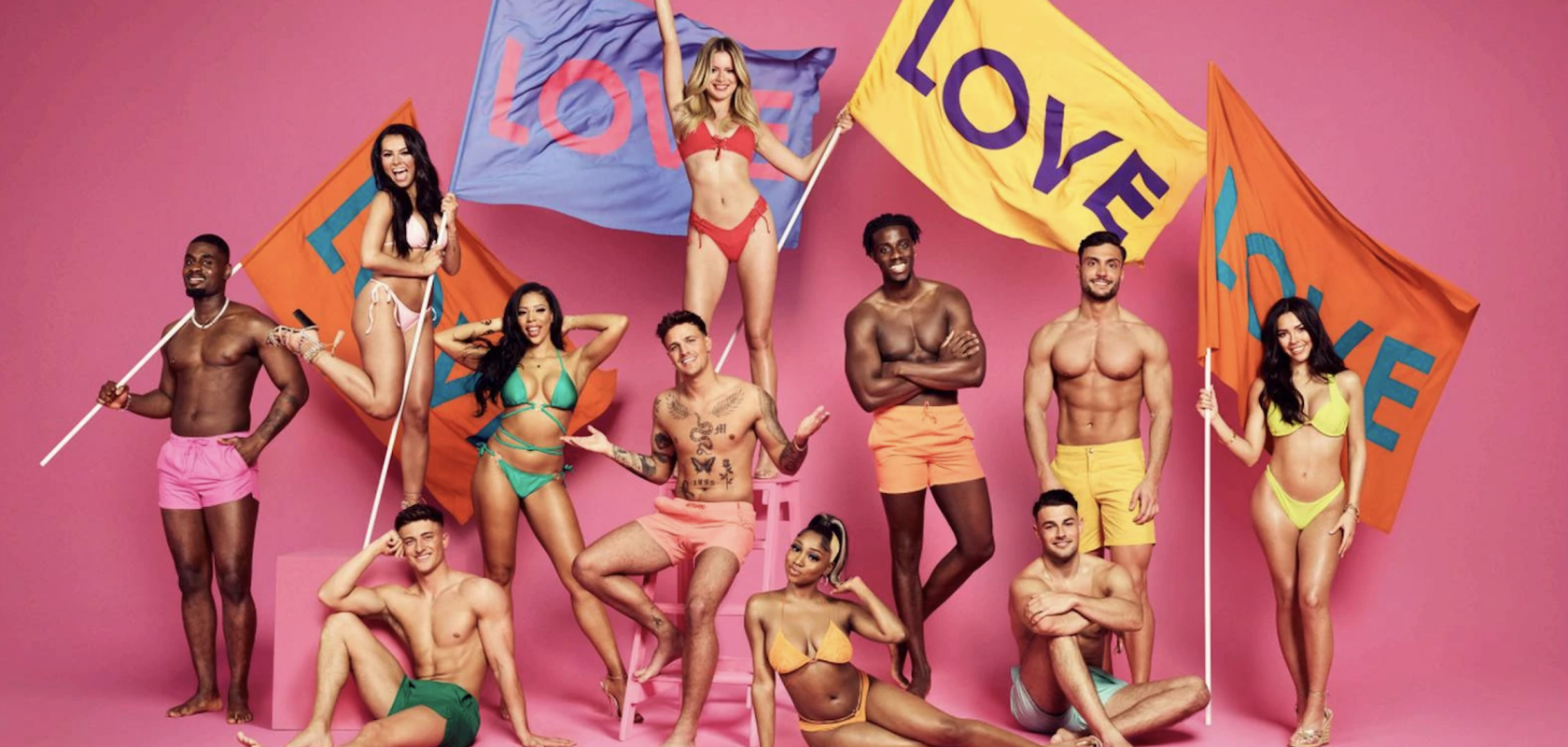
If you are unaware of the premise of Love Island, it’s a reality dating TV show where a group of strangers are secluded away on a villa in tropical escape for a few months with no connection to the real world, competing in fun and sometimes weird challenges, in an attempt to find their one true love as well as potentially earning the winning $100,000 cash prize. With episodes getting aired almost daily, bombshells constantly rotated in, and dumping of fellow contestants happening weekly, the franchise delivers exactly what viewers desire from reality TV shows - pure entertaining chaos and real genuine bonds between contestants occurring simultaneously. 

But with the reality dating show genre being oversaturated with shows such as The Bachelor, Love is Blind, and Too Hot to Handle, not even including equally famous international counterparts Singles Inferno and Married at First Sight, why exactly does Love Island go viral every time a new season airs? 

The “Third Space” of Love Island 

In an age where streaming services drop an entire season at a time and spoilers dominate social media within 24 hours, Love Island allows viewers to share episode reviews and debunk new relationships almost daily. Similar to the 5pm Wednesday slot for Belly and Conrad during last year’s The Summer I Turned Pretty craze, Love Island viewers wait all day for the 9pm showing on Peacock and by 10:30pm, have already posted their discourse on TikTok and Twitter. Even as an Australian viewer who has to wait and tune in several hours later due to the uploading delay from the USA, Love Island gives all of us a shared cultural moment for a couple of months as we watch the contestants pull each other for chats and form tight-knit friendships. It forms an addictive nightly ritual for viewers across the world and a sense of community that has seemingly been lacking ever since cable TV became outdated. It has even triggered American viewers to gather around at bars for watch parties. 

This sense of community is bolstered due to the fact that viewers are able to vote for their favourite couples or who they want to be dumped from the villa, upping the stakes and allowing us to feel in charge of what we are watching. Recently, viewers have adopted an even higher position of authority, assisting in kicking off two contestants from the Villa in season 8 for previously saying discriminatory slurs on social media. 

Juicy TV or a Psychology Experiment? 

When you cut off contestants from the rest of the world, place hidden cameras all over their living quarters, and make them participate in challenges where the person they’ve coupled up with has to make out with all of their new best friends, emotions become volatile and unnatural decisions are made. Love Island USA knows this and has two on-site licensed psychologists and welfare managers to support contestants. It also becomes a breeding ground for viewers to unpack the contestants’ psyche. I’ve seen the usual romantic edits of contestants like Trinity and Bryce, to 10 minute videos on why KC and Corbin are dangerous and have been red-pilled, even long tweets on how Sincere’s poor decision making skills are rooted in his people pleasing tendencies since childhood. Once again, the daily uploading schedule of Love Island allows for viewers to dig deep and collectively question the psychology behind the contestants’ actions. The removal of the usual external pressures of the real world creates a highly unique situation where contestants become quickly attached to each other - a few nights in the Villa can mimic the sensation of a few months in the real world. The winners of Season 8, Trinity, a hardware store worker from Virginia, and Bryce, a retired 2016 Tumblr IT boy from LA, falling for each other, and even saying “I love you” whilst still inside the Villa, Love Island USA’s popularity creates a somewhat successful social experiment. 

From Casa Amor to LA

While contestants and even winners of stock-standard reality dating shows like The Bachelor and Love is Blind often finish the show and return back to their day jobs or quickly attempt to launch a micro-influencer career, Love Island USA participants emerge into the real world with millions of followers and brand partnerships already lined up. Regular individuals spend months and even years building up a following and earning brand deals, but surviving the firepit and Casa Amor seems to act as an instant launchpad for success. 

Runner up of Season 6, Leah Kateb emerged the villa with MAC Cosmetics and Depop partnerships and was even featured on Forbes 30 under 30 for her role as re-founder and CCO for fragrance brand, Skylar. Runner up of Season 7, Olandria Carthen, has walked in New York Fashion Week and appeared in Sports Illustrated. From this season’s contestants, Jen Terry has already signed with talent agency, Motive, and Kenzie Annis appeared on Alex Cooper’s, Call Her Daddy, podcast. For the rest of the Islanders, there’s a 10 day window for agencies to sign with them and launch their fame. Watching the contestants' story unfold live on our screens, return a month later for the show’s reunion, and now Peacock’s “Beyond the Villa”, viewers have grown attached to Love Island’s participants,making them followers of the islanders’ lives long after the cameras have stopped recording so brands are more willing to tie themselves to an in-built fan base and organic support. 

Thus, the exact reason why Love Island USA does so well compared to past and modern reality TV shows is the franchise’s ability to let the audience in. From this season alone, we’ve been able to watch Melanie and Sincere’s chaotic love story, Kenzie explore with many contestants, and Aniya find Carl after getting disrespected time and time again by KC. The franchise’s addicting formula turns us into active stakeholders and willing participants of an almost cult-like community that continues long after the finale. 

So even if you think you are way above wasting time watching the simple reality TV of Love Island USA, I say pull your friends for a chat, explore the show, and wait till the words, “I’ve got a text!” make your heart drop. 


Nicky Tran is a second-year student studying Law and Commerce. When she isn’t talking your ear off about her latest TV show hyperfixation, she is most likely curating a new Pinterest board, watching YouTube vlogs or eating a Fruitologist acai bowl. 


Read More From The Blitz Archive

Are You Starting To Think The Rat From Flushed Away is Attractive?: The Rise of The 'Rodent Boyfriend'

Juno breaks down the bizarre trend of the 'Rat Men' taking over the internet.

Read More

Top 10 Australian Advertisements

Eloise goes down memory lane to recount some of the best and most iconic Aussie Ads that are etched in all our memories.

Read More

A Definitive Ranking of the Beloved Papa Louie Games

Alexa ranks our the childhood cult classic, Papa's Pizzeria games.

Read More

Read More