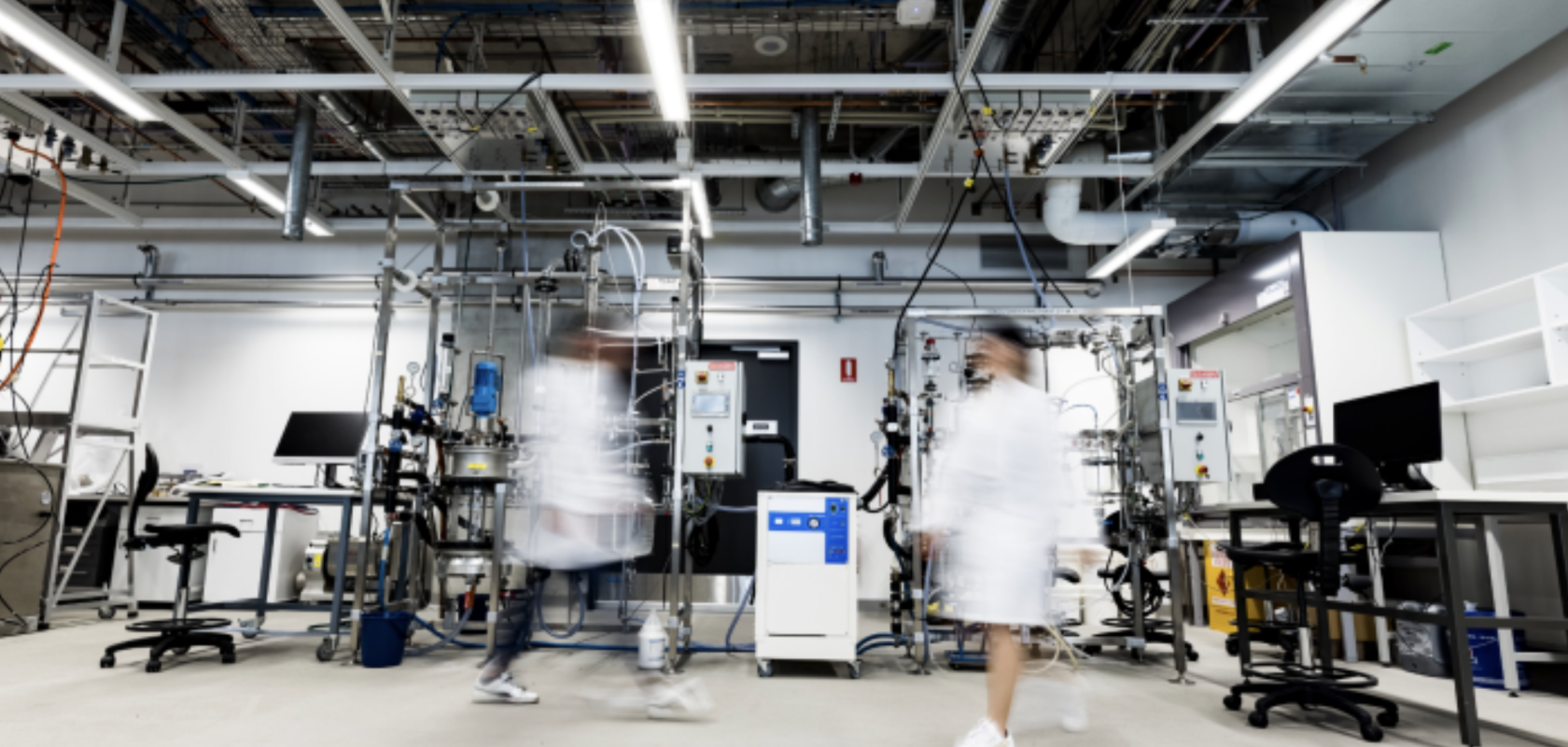
Walking into a chemistry lab feels like stepping into a mix between a hospital operating room and a cooking show.
There’s a sharp chemical smell in the air, everything is clean and organised, and before you touch anything, you suit up like a semi-astronaut in a lab coat, gloves, sometimes even goggles. It’s like preparing for surgery, except instead of saving lives, you’re mixing liquids and hoping they don’t explode.
The best way to understand chemistry is to think of it like cooking—but with stricter rules and higher stakes. Every “recipe” (experiment) has precise measurements, timing, and steps. Add something too early, too late, or in the wrong amount, and instead of a tasty dish, you might get nothing or an angry tutor with a grade deduction.
Titration experiments are like waiting for toast to turn the perfect shade of brown, but slower and more stressful. You’re watching for a tiny colour change, drop by drop, wondering, “Was that it? Or did I mess it up?”
Handling glassware like test tubes feels oddly risky; they’re fragile, slippery, and somehow always break when you least expect them to. By the end of the semester, your lab coat tells a story of all your experiments, mostly through stains you’ll never fully get out.