Smiths Lake Field Station Survival Guide

By Joy Paola

Edited by Reet Mahajan

If you’re a student in the school of BEES (Biological, Earth, and Environmental Sciences), chances are you’ve come across these words in a course outline: 

The course will include an intensive four-day field trip to Smiths Lake in Week 6. This will involve personal expenses to students for transportation, food, and accommodation.” BIOS3081

For an unaccustomed student, this phrase can turn your stomach. Intensive? Personal expenses? Four days in Week 6—when will I catch up on sleep and lectures? Fear not, dear BEES student; let me, a seasoned Smiths Lake goer, walk you through the essentials of the field station. Travelling and studying there can be daunting, but it’s also rewarding and, dare I say, magical at times.


Where is Smiths Lake?

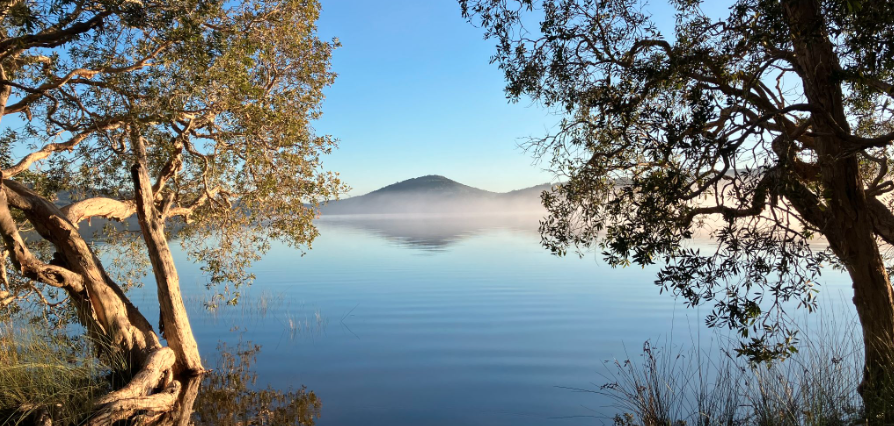
Smiths Lake is located north of Newcastle on Worimi land. The lake is an estuary that periodically opens and closes to the ocean. UNSW’s field station sits close to the shore and extends to Myall Lakes National Park. It consists of dormitory blocks, covered outdoor areas for cooking and eating, an indoor kitchen and pantry, a lab, an ablutions block, and a boatshed. You can’t walk to nearby towns or shops from the field station (and your tutors won't want you to), so bring everything you need.

Internet access and mobile service are limited at the field station. If you have assignments due the following week or plan to catch up on lectures there, you might be out of luck. Service works on the bus trip, so if you did the research for an essay on the way there and then wrote it in an already open Google Doc in your dorm… that could work. Hypothetically. I definitely haven’t done that.


Where will I sleep?

The dormitory blocks have bunk beds, and each room varies in size, but they typically accommodate 6-12 people. The first block you’ll see when you get there is SL4. Past the ablutions block is SL9, which has larger rooms and can accommodate more people.

One thing to know about SL9: some of its walls aren't walls; they're mesh. Don’t freak out! You can roll blinds over the mesh for privacy. Plus, SL9 is much closer to the ablutions block, which can be convenient for late-night bathroom trips in the dark or if you need to grab your clothes and shower quickly.

The rooms get cold; bring warm clothes and bedding as your course convenor instructs. I’d also recommend sweeping the room before you set up to locate any residents who’ve already settled in. On my last trip, generations of a cellar spider family had made themselves at home in our room. We disposed of the ones hanging around our beds, and left the groups clustered on the ceiling. I’d advocate for leaving these spiders when you can. They’re harmless to you and can be beneficial by eating flies and mosquitoes. That said, keep an eye out for spiders or animals that are a known danger.

What will I eat?

Good news: the food is pretty good! Bad news: you will be cooking some of it. Usually, a different group of students will cook each night. Cooking for a crowd can be stressful, but step up and help out when it’s your turn. There’s something about a kitchen that brings the conversational side out of a group. Especially when it’s in an outdoor setting—think barbecue vibes.

Dinner is held in the Covered Outdoor Learning Area (COLA), and sometimes lecturers or other professionals will hold informal talks afterwards. Because groups have different tasks during the day, lunch is often a packed sandwich or leftovers you can eat on the go. Breakfast is your typical toast-and-cereal spread, and don’t worry, there’s coffee.

Do I want to know about the bathrooms?

You will be perfectly fine using these bathrooms! The showers have a 3-minute timer, but they’re hot, and there’s space to hang your belongings. I recommend bringing a pair of slides or clean shoes that can get slightly wet. The floor isn’t always clean, as students shower after doing fieldwork in the lake (read: sand and mud). 


Bring your own soap and toiletries. There’s been a One Direction toothpaste bottle in the women’s bathroom for I-don’t-want-to-know-how-long. Remember your toothpaste so you don’t have to resort to that desperate measure (No, seriously, if you forget something, ask to borrow from someone else.) 

Another important point: you cannot drink the water in the bathrooms. It could be contaminated, so use the drinkable water tank near the COLA. Also, remember that the water supply comes from rainfall tanks, so it’s limited, even if it feels like plenty. Be responsible with your water usage!

What am I gonna do there?

This really depends on your course. However, I’ve been on three trips for three different courses, and these are the points they’ve all had in common.

It’s work! What you do on the trip is reflective of what an ~actual scientist~ might do for work. My field trips have involved getting up early, conducting fieldwork (on a boat or bush-bashing), doing lab work with microscopes or combing through GoPro footage, and staying up late to finish.

Cool nature.  I’ve seen frogs, swimming snakes, goannas, and jumping mullets. It’s not every day that we get to be up close with nature, and Australian wildlife is especially unique and precious.

Photo of a frog by Aleksia Taunton.


Fun opportunities. Our tutors and lecturers know that these trips are a lot of work, so they often build in some fun. This could include a bonfire on the last night, group boat trips, swimming, or a trip to the beach at Seal Rocks. Not to mention the hands-on scientific opportunities. I loved going out on the boat at night to survey plankton—the stars are much prettier there than in Sydney.

Remember, you’re on the trip to learn and have fun. Don’t freak out if it takes a day or two to get settled in. Try to enjoy it while you can! You’ll be on the bus back to Sydney and cellular service before you know it. I hope you feel more equipped after reading my tips, and say hi to the goannas for me.

Joy Paola

Joy Paola

is a third-year UNSW student studying Marine Science and Creative Writing. She loves speculative fiction, long walks by bodies of water, and making playlists for her friends.

Read More From The Blitz Archive

Are You Starting To Think The Rat From Flushed Away is Attractive?: The Rise of The 'Rodent Boyfriend'

Juno breaks down the bizarre trend of the 'Rat Men' taking over the internet.

Read More

Top 10 Australian Advertisements

Eloise goes down memory lane to recount some of the best and most iconic Aussie Ads that are etched in all our memories.

Read More

A Definitive Ranking of the Beloved Papa Louie Games

Alexa ranks our the childhood cult classic, Papa's Pizzeria games.

Read More

Read More