Photograph by James Brickwood
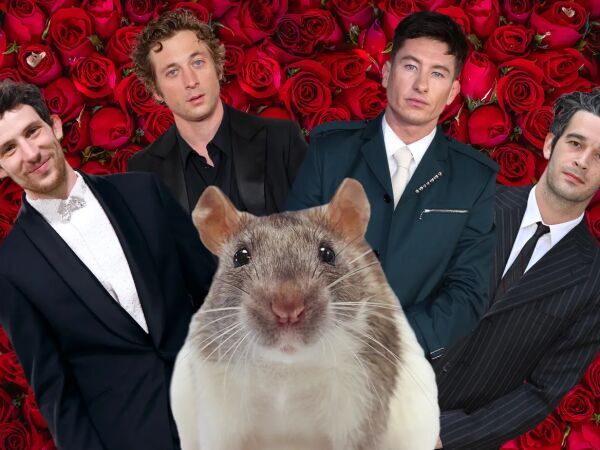
Are You Starting To Think The Rat From Flushed Away is Attractive?: The Rise of The 'Rodent Boyfriend'
Juno breaks down the bizarre trend of the 'Rat Men' taking over the internet.
Photograph by James Brickwood
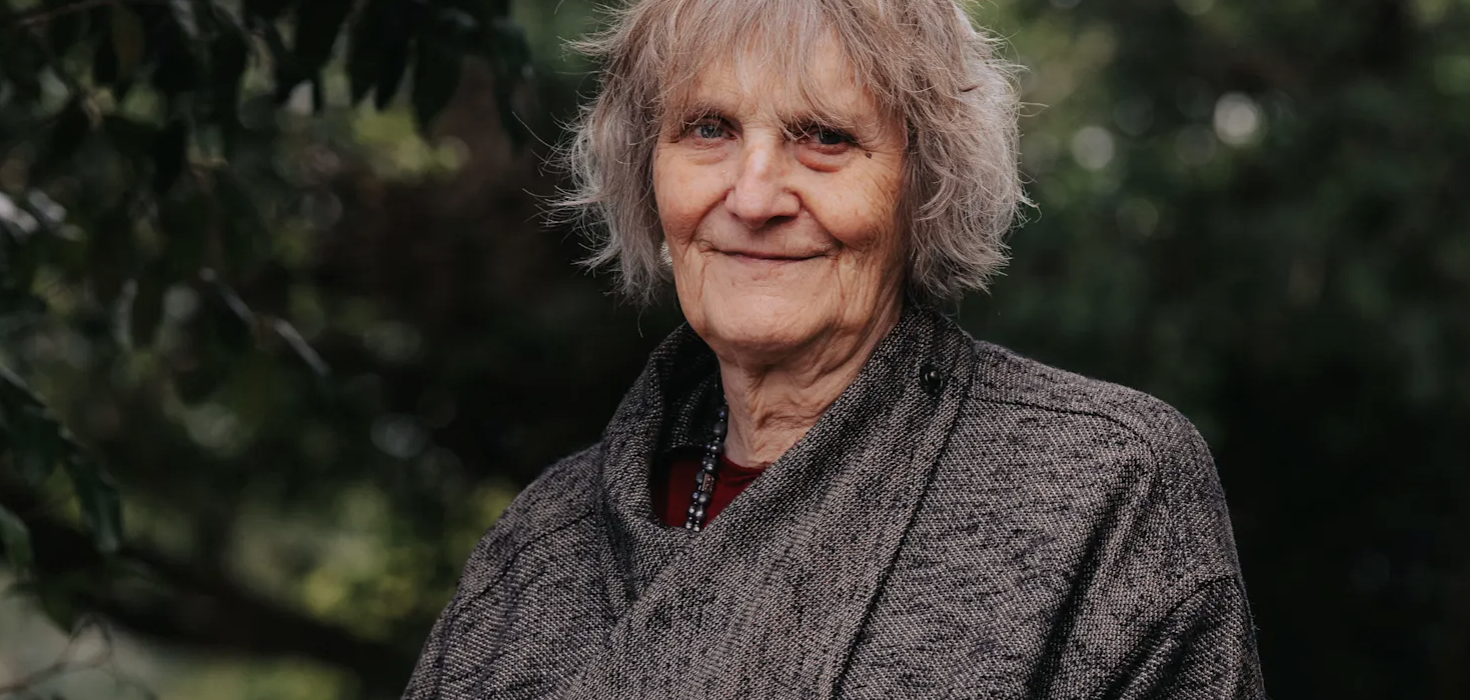
In Trans Lives, sociologist Raewyn Connell examines the lived realities of trans communities worldwide, moving beyond simplified media portrayals to focus on the practical realities of survival, safety, identity, and belonging. Drawing from decades of research and conversations with trans support groups across multiple countries, Connell’s work highlights the diversity and complexity of trans experiences, particularly outside Western contexts.
Speaking with me, Connell reflected on why she chose to write Trans Lives later in her career, despite initially resisting the idea. “Trans women especially are constantly being asked to explain themselves,” she said. “It can become wearying, and I wanted to avoid that genre. But the world changed. I became increasingly concerned with the scale of antagonism and government attacks on trans groups, and I felt some kind of response was needed.”
Throughout our conversation, Connell discussed the dangers of reducing trans experiences into stereotypes, the impact of online spaces on conversations around gender, and the importance of community support and creative organising. Read on for our conversation.
I had originally thought I would never write a book like this, given that trans women especially are constantly being asked to explain themselves to family, bosses, police, border guards, and so on. It can become wearying, and I wanted to avoid that genre.
But the world changed.
I became increasingly concerned with the scale of antagonism and government attacks on trans groups in some parts of the world, and I felt some kind of response was needed.
I was in a position to help with that, hence the book.
It also came after a long academic career. Although I’ve retired, I’m still involved in research and discussions around gender, so I had a background to draw on when I became convinced this was something I ought to do.
What I particularly wanted to highlight were the practical realities of trans lives, the grittiness of them, rather than simply questions of representation or identity.
Because I’d worked in academia, I’d had opportunities to travel internationally and meet trans support groups in around a dozen countries. That gave me some understanding of the realities people were facing, especially outside the Western world.
So much of the language and framework around trans issues in countries like Australia comes from the United States or Western Europe, but most trans people live in what we call the postcolonial world. I wanted to place greater emphasis on those experiences.
I looked closely at the actual work involved in transition and survival: what people have to do to live, how they find housing, income, healthcare, and safety. I spoke with people who had been thrown out of their families or schools and had to rebuild their lives from highly marginalised positions.
Many trans communities across the world survive through extremely precarious conditions. Some rely on street work or sex work simply to stay alive. Exposure to violence, unsafe housing, poor health outcomes, and poverty are recurring realities.
The glamorous image people might get from media portrayals of trans women on North American television is not very close to the reality for most trans people globally.
One thing is very simple: don’t have anti-trans laws.
We’re seeing anti-trans legislation emerging in parts of the United States, Russia, and increasingly in places like Australia as well. Attempts to restrict healthcare for trans children are often only the beginning of broader attacks.
Beyond that, societies need to support trans organisations and communities. There are trans organisations all over the world, many operating with very limited resources, but they’re incredibly creative and resilient. They create arts projects, music groups, community support systems, and advocacy networks.
Support can come from public institutions, universities, local councils, arts centres, and interpersonal relationships. Trans people have the same human needs everyone does: friendship, housing, care, safety, and belonging.
Transitions are not one-size-fits-all experiences. Some people identify as non-binary or agender, while others transition from one socially assigned gender position to another. All of these experiences can involve stress and uncertainty, especially for young people.
Sometimes, even an offer of support, interest, or friendship can make a real difference to someone navigating that uncertainty.
Media often relies heavily on stereotypes, and some forms of media are not well-suited to conveying complexity.
But there are genres that can do this very well, such as documentary film, novels, and long-form storytelling. I think creators first need to understand the variety of trans experiences and the practical realities people face around housing, livelihood, health, and safety.
There are excellent stories to be found there, and they are not all stories of despair. There is creativity, resilience, and joy as well.
Connell also pointed to literature that has explored trans experiences with nuance, including The Twyborn Affair by Patrick White, which she described as “a brilliant account of some of the shifts and uncertainties involved in gender transition.”

I don’t think one can understand trans lives without understanding the gender order that these lives exist within.
By “gender order,” I mean the way societies organise around reproductive bodies, social roles, family structures, and relationships between generations. These structures shape everyday life and influence how gender transitions are experienced.
My earlier work in gender studies gave me a framework for understanding why transitions take different forms and why practical issues such as health, housing, livelihood, and family relationships matter deeply.
I don’t mind people talking about identity, but identities arise within larger social realities. If we want to understand the lives of marginalised groups or improve those conditions, we have to look at that broader picture.
They’ve absolutely complicated them.
The internet has made important forms of knowledge and connection possible. There are valuable trans-friendly websites, support networks, and research resources online. Organisations such as trans advocacy networks across Latin America and the Caribbean provide important information and community spaces.
But the online world has also become a major source of abuse, misogyny, racism, nationalism, and organised hostility toward marginalised groups, including trans people.
There are entire online spaces devoted to antagonism against trans communities. It’s not always a safe environment, particularly for younger or more vulnerable people.
So while there are important resources online, people still need to approach digital spaces critically and cautiously.
One moment that has stayed with me was a discussion I had with a trans group in Costa Rica. During the conversation, the question came up about life expectancy, and the general opinion in the group was that they expected to live only until around thirty-two years old.
At the time, I was more than twice that age. That really forced me to think seriously about the realities of life that could give rise to such an expectation. These are often matters of life and death.
What gives me hope is the creativity and energy within trans organisations around the world. There are hundreds of trans organisations operating, often with very limited resources apart from the dedication and care people put into them.
That resilience and community spirit are what stay with me most strongly.
See Raewyn Connell at Queerstories during the Sydney Writers’ Festival on Friday 22 May at Carriageworks. Hosted by Maeve Marsden, Queerstories brings together LGBTQIA+ voices to share vulnerable, hilarious, fierce, and deeply personal stories exploring pride, resilience, identity, and community.
Nimisha Kalra is a psychology graduate currently pursuing her master’s in Public Relations and Advertising. Endlessly curious about what drives people and how they make sense of their lives, she often tries to do the same through her writing. Ideas tend to find her when she’s at her busiest, never when she’s staring at a blank page. She drinks too much coffee for someone with an iron deficiency, overthinks more than she admits, and still believes that spontaneity works better than any five-year plan ever could.
Madeline Kahl
Ineke Jones
Juno breaks down the bizarre trend of the 'Rat Men' taking over the internet.
Eloise goes down memory lane to recount some of the best and most iconic Aussie Ads that are etched in all our memories.
Alexa ranks our the childhood cult classic, Papa's Pizzeria games.