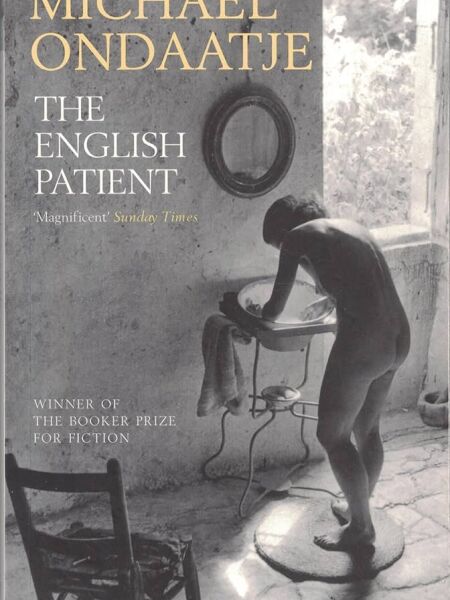
You also quote Michael Ondaatje in your epigraph: “Anyone with pain.”
Yes. That quote comes from a poem called “Elimination Dance.” It’s an index poem where every line, technically speaking, is, “if you identify with this phrase, you have to leave the stage.” I've always adored that poem as a way of thinking about this gradual process of calling out the things that can't live in the world, or that can't be allowed to be in the world.
[The first section] also references Tiqqun’s Preliminary Materials for a Theory of the Young-Girl, which is this really fucked up document of all the strange ways in which girls are perceived by society and by history.
The second section (ii) indexes and moves through images that I think have stayed with me as aesthetic compulsions. As all young girls are, I was very much entangled in quite damaging aesthetic interests and compulsions. A lot of disordered eating stuff. A lot of very badly processed trauma.
Then the third section (iii) thinks about all the pieces of history in the digital archive that the genocide, the Israeli lobby, wants us to forget. All of these touchstone truths and histories that the machine of Empire wants to eliminate.
That was something I wanted to write down and create: the physical media of the book, because I don't know how long those memories will be online. While I can make copies of them, they’re still impermanent, or they might end up hollowed out again later with another technocratic collapse.
I agree. Digital archiving technology is often marketed to us with the promise of preservation, permanence, or storage without degradation. I also like how you're bringing attention to things we are algorithmically positioned to forget.
I'm seeing now how the word “salvaged,” that which is rescued from destruction, comes into play here. In writing this sequence, was the act of salvaging fruitful? Did you know, before writing, what exactly you were trying to salvage?
For me, it was a form of exposure therapy in the sense that I was very determined not to look away. When I really started working on this collection, I'd reached a point where I was starting to lose confidence in the idea that, through solidarity, protests, organising, boycotting, and divestment, we in Australia could shape what was happening in Palestine.
I remember reading notes that I made ten days into the genocide going, “How have we possibly come to ten days of this?” and being unable to fathom the scale of violence that had been unfolding with really explicit witness. I was documenting from very early on to ensure my own comprehension and understanding. I was worried about being told that it was all too complicated and that I didn't understand. That's why I was constantly trying to keep a focused eye on Palestine.
When it became clear, about a year in, that I was writing a book of poetry, the process was about making sure there wasn't anything I was unwilling to look upon, by virtue of wanting to protect my own mental health. I was like, “No, I don't get to protect or prioritise my mental health in a genocide.” That work of salvage is more about solidifying a political commitment to not allowing myself to become passive.
And to extend upon that, the ability to opt out or look away is, in itself, asking us to reckon with our own privilege.
Absolutely. We don’t get to look away.