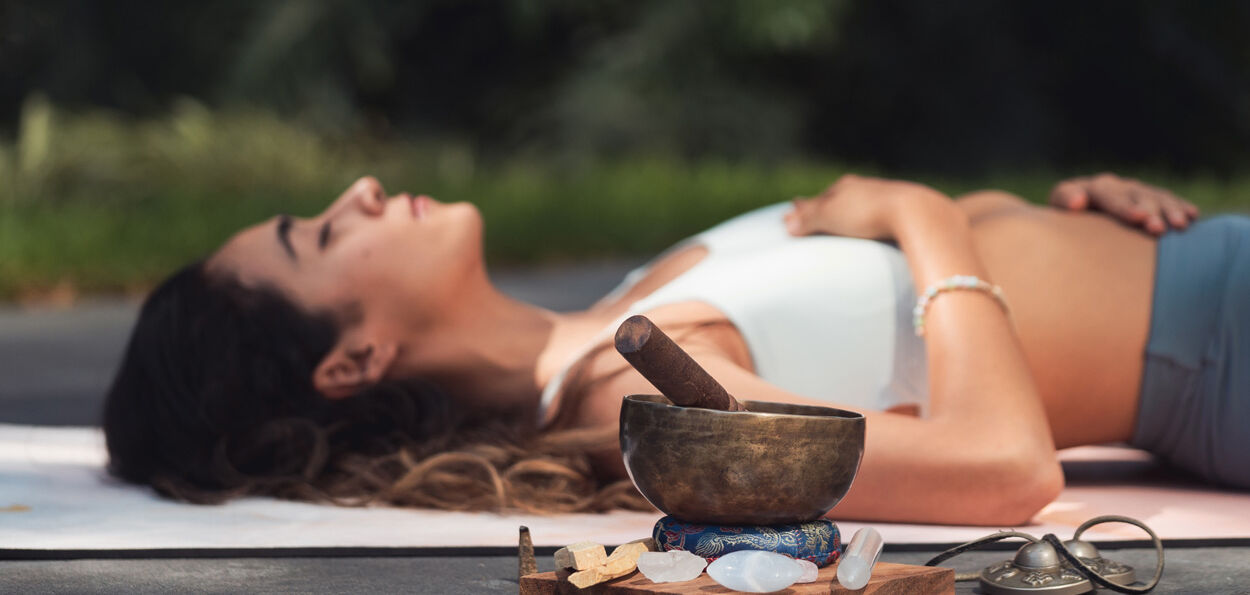
While I do aspire to live like them, it became exhausting to try to keep up.
Video after video, I was bombarded with ways to upgrade my life, introductions to new products that were going to be life-changing. Red light therapy to improve skin elasticity, and collagen supplements that would improve metabolism. Words like biohacking and sleepmaxxing elevated my vocabulary, along with my desire to live the supposedly more luxurious life.
But it’s not worth it.
It is not wrong to want to be your best self. In fact, I sometimes try a product or two I see on TikTok. I’ve tried the 10-step skincare routine and on some days, I aim for a few thousand extra steps.
Self-care used to be about simple little habits during the day that gave you a boost of excitement. However, modern wellness has turned into a performative lifestyle, a checklist consisting of a long walk, pilates, strength training, lymphatic massages, journaling and hitting the 8 litres of water.
In theory, it sounds great. But in reality, balancing all of that with work and university felt impossible.
Missing one Pilates class began to feel like a failure, and I forced myself to take more classes, even though it left me feeling worse than before. Wellness stopped being about how I felt and became about what I was doing.
What once became a source of relaxation turned into a checklist that I struggled to keep up with. And it doesn’t help that social media forces down our throats the ideal, disciplined lifestyle we must follow.
Red light therapy sessions, skin procedures, lymphatic drainage massages, supplements, matching gym sets, this wasn’t something I could afford on a weekly basis.
And most of these suggestions don’t even come from doctors or nutritionists. They come from these curated aesthetic videos of content creators that emphasise how life-changing one product has been for them.
According to the Global Wellness Institute, the global wellness industry is worth $6.8 billion in 2024, and is projected to reach $9.8 billion by 2029.
Wellness has slowly become part of our identity, less about how we feel and more about how we look. But at the root of the issue, wellness was never the problem. It’s the pressure to believe that if we aren’t always improving, then we are falling behind.
So is there a “correct” way to self-care? Maybe there isn’t really one. Maybe it’s about trying new things and letting go when it doesn’t work.
Personally, I tried the elaborate skincare routine, but all it gave me was a cluttered shelf. I may not need the vibration plate, but I do add in a quick stretch while I'm working.
Wellness doesn’t have to be a rigid routine; it is personal. Perhaps the healthiest thing we can do isn’t to complete an exhausting routine, but to trust that being “well enough” is already enough.